
When it comes to modern bathroom design, space efficiency and sleek aesthetics are key considerations. An in wall toilet supply refers to a system where the toilet’s tank and plumbing are hidden within the wall, leaving only the toilet seat and flush mechanism visible. This style of toilet is becoming increasingly popular in both residential and commercial bathroom designs due to its space-saving design and minimalist look. In this blog, we will discuss the benefits of choosing an in-wall toilet, the key components of an in-wall toilet system, and why it may be the perfect choice for your next bathroom renovation or build.
What Is an In Wall Toilet?
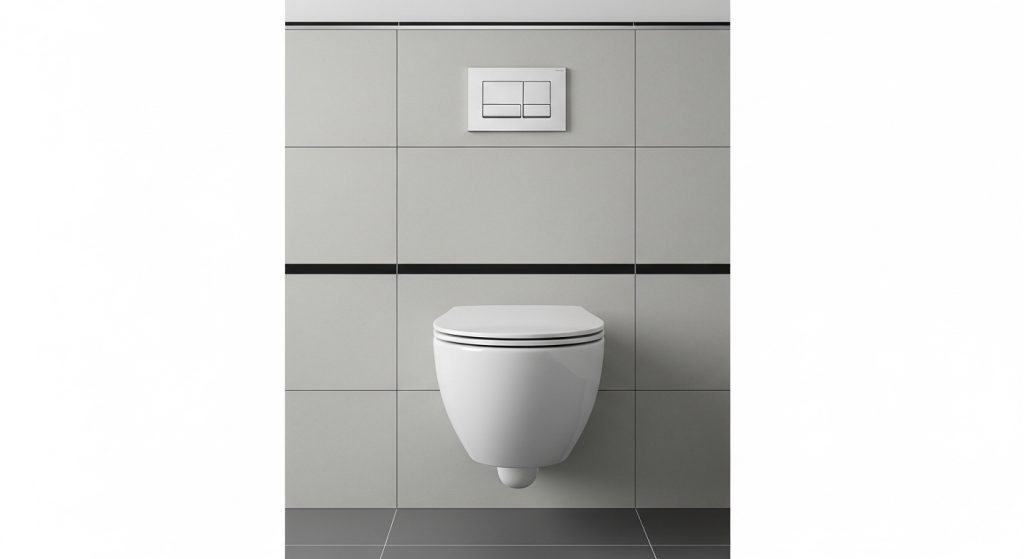
An in-wall toilet, also known as a wall-hung or concealed toilet, is a toilet system where the cistern (the tank) and plumbing components are concealed within the wall. This creates a sleek and modern look, as only the toilet seat and flush plate are visible. This design is especially popular in small bathrooms or contemporary spaces where you want to maximise floor space and create a more streamlined look.
- Space-Saving Design: Because the cistern is concealed in the wall, the toilet takes up less floor space, making it ideal for smaller bathrooms or those aiming for a minimalist style.
- Modern Aesthetic: The clean lines and hidden cistern contribute to a modern, streamlined aesthetic that works well in contemporary bathrooms.
- Easy Cleaning: With the toilet raised off the floor, it’s easier to clean the bathroom floor, which helps maintain a hygienic and tidy space.
- Durability: In-wall toilets are generally designed to be robust and long-lasting, offering reliable performance with minimal maintenance.
Benefits of Installing an In Wall Toilet
In-wall toilets offer several practical and aesthetic benefits, making them an ideal choice for both residential and commercial bathrooms. Here are some key advantages:
- Maximises Bathroom Space: By hiding the toilet tank in the wall, you free up floor space, making the bathroom appear larger and more open. This can be especially helpful in smaller bathrooms where space is limited.
- Enhanced Aesthetic Appeal: The sleek and minimalist design creates a modern, high-end look in your bathroom, perfect for contemporary or luxury spaces.
- Increased Hygiene: The absence of a traditional toilet tank on the floor makes cleaning much easier. Since the toilet is wall-hung, you can easily clean the area underneath the toilet.
- Noise Reduction: The toilet cistern is often insulated when housed in the wall, helping to reduce the noise of flushing, which can create a quieter bathroom environment.
- Efficient Water Use: Many in-wall toilets are designed with water-saving mechanisms, offering dual flush options to help conserve water and reduce your water bill.
Key Components of an In Wall Toilet System
An in-wall toilet system typically consists of the following components:
- Wall-Mounted Toilet Bowl: The bowl is suspended from the wall and supported by the in-wall system behind the wall.
- Concealed Cistern: The cistern (toilet tank) is hidden inside the wall, making it invisible from the outside.
- Flush Plate: The flush plate, located on the wall, is the visible part of the system. It allows you to flush the toilet and typically comes in a variety of designs and finishes.
- In-Wall Frame: This is the structural support that holds the toilet bowl, cistern, and flush system in place behind the wall.
How to Install an In Wall Toilet
The installation of an in-wall toilet is more complex than a traditional floor-mounted toilet and usually requires professional plumbing services. The process involves:
Installing the In-Wall Frame: The frame is mounted inside the wall to hold the toilet system. It must be securely fixed to the wall and floor to support the weight of the toilet.
Concealing the Cistern: The cistern is installed into the frame and concealed behind the wall. Plumbing connections for water supply and drainage are made at this stage.
Fitting the Toilet Bowl: Once the cistern is installed, the toilet bowl is mounted onto the frame and secured in place.
Fitting the Flush Plate: The flush plate is installed on the surface of the wall, completing the system.
Why You Should Hire a Professional for In-Wall Toilet Installation
Given the complexity of installing an in-wall toilet, it’s highly recommended to hire a professional plumber or bathroom installer who has experience with these systems. A professional will ensure that the installation is carried out correctly, ensuring that the toilet functions properly, meets building codes, and is installed safely.
Conclusion
An in wall toilet supply can transform the look and functionality of your bathroom, creating a clean, modern, and space-efficient design. Whether you’re renovating a small bathroom or looking to create a luxurious, contemporary space, in-wall toilets offer numerous benefits, from enhanced aesthetics to easier cleaning. By choosing a reputable supplier and working with a professional plumber for installation, you can enjoy a high-quality and durable bathroom fixture that elevates your bathroom experience.