Choosing the right roofing material is an important decision for homeowners, builders, and property developers. A good roof should provide long-term protection, withstand changing weather conditions, improve the appearance of a property, and require minimal maintenance. With several roofing materials available, metal roofing has become a popular option for residential, commercial, and industrial buildings.
Colorbond metal roofing is widely recognised for its durability, modern appearance, and suitability for different Australian weather conditions. It offers a practical combination of strength, design flexibility, and performance, making it an appealing choice for new construction projects and roof replacement work. Understanding its features, benefits, and maintenance requirements can help property owners decide whether it is suitable for their building.
What Is Colorbond Metal Roofing?
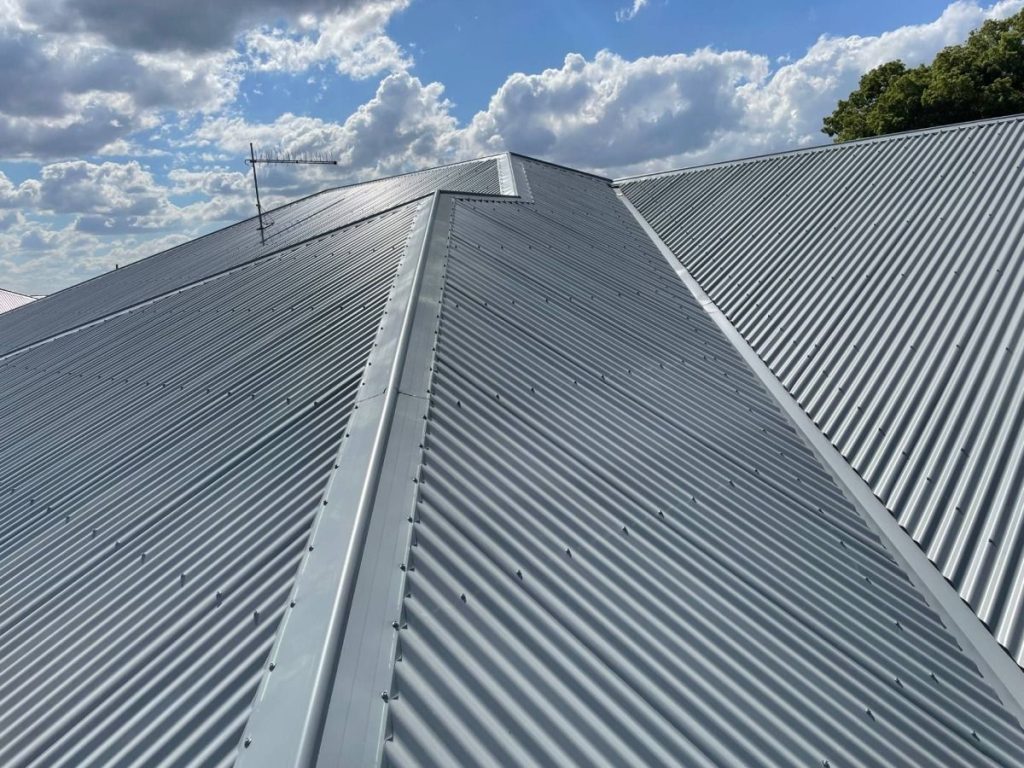
Colorbond is a pre-painted steel roofing product designed to provide reliable protection and an attractive finish. It is manufactured using coated steel that is treated to improve its resistance to corrosion and environmental exposure. The material is available in various colours and profiles, allowing property owners to select a style that complements their building.
Unlike some traditional roofing materials, metal sheets are relatively lightweight and can be installed across different roof designs. They are commonly used for houses, garages, sheds, commercial buildings, and industrial properties.
Its combination of weather resistance, design options, and practical performance makes it a popular consideration for modern construction.
What Are the Main Benefits of Colorbond Metal Roofing?
Selecting the right roofing material involves considering several factors, including durability, appearance, maintenance, and overall value. Here are some important benefits worth understanding.
Excellent Durability and Strength
A roof must withstand different environmental conditions throughout the year. From heavy rainfall and strong winds to intense sunlight, roofing materials experience regular exposure to external elements.
Steel roofing is designed to provide a strong and durable surface when correctly selected and installed. Its protective coating helps reduce the risk of corrosion and supports long-term performance.
However, the actual lifespan depends on factors such as installation quality, environmental exposure, maintenance, and the suitability of the product for the location.
Suitable for Different Weather Conditions
Australian weather can vary significantly between regions. Some properties experience intense summer heat, while others face heavy rainfall, coastal conditions, or strong winds.
Modern metal roofing products are designed with environmental performance in mind. Their protective coatings help them withstand normal weather exposure, while appropriate roof installation supports effective water drainage.
For coastal properties, it is particularly important to select a roofing product suitable for the local environment and follow the manufacturer’s recommendations.
Wide Range of Colours and Designs
The appearance of a roof can influence the overall style of a property. One advantage of this roofing material is the availability of different colour options.
Homeowners can choose from neutral shades, contemporary tones, and darker colours to complement exterior walls, windows, gutters, and other architectural features.
Different roofing profiles also allow builders to create traditional or modern designs. This flexibility makes metal roofing suitable for a wide variety of residential and commercial projects.
Lightweight Roofing Material
Weight is an important consideration when selecting roofing products. Heavy roofing materials may require additional structural support, depending on the building design.
Metal sheets are generally lightweight compared with many traditional roofing alternatives. This can make transportation and installation more manageable and may reduce structural loading.
However, the existing roof structure should always be assessed by a qualified professional before replacing an existing roof.
Low Maintenance Requirements
Regular roof maintenance helps protect a property and identify potential problems before they become serious.
Metal roofing generally requires less maintenance than some traditional roofing materials. It does not require regular painting when the original factory finish remains in suitable condition.
Basic maintenance should include clearing leaves and debris from gutters, checking roof drainage, inspecting flashings, and looking for signs of physical damage or corrosion.
Following the manufacturer’s cleaning and maintenance recommendations can help preserve the roof’s appearance and performance.
Is Metal Roofing Energy Efficient?
Energy efficiency is another important factor when choosing a roofing material. Roofs receive significant sunlight during warmer months, which can contribute to indoor temperature increases.
The thermal performance of a metal roof depends on several factors, including colour selection, insulation, ventilation, and roof design.
Lighter roof colours may reflect more solar radiation than darker options, potentially reducing heat absorption. Suitable ceiling insulation and roof ventilation can further improve indoor comfort.
Homeowners should consider the complete roofing system rather than relying on the roofing material alone when planning an energy-efficient building.
What Should You Consider Before Installing a Metal Roof?
Before selecting a roofing product, it is important to assess the building’s requirements and surrounding environment.
Roof Design and Structure
Different properties have different roof slopes, dimensions, and structural requirements. The selected roofing profile should be appropriate for the roof design and installed according to manufacturer specifications.
Local Environmental Conditions
Properties near coastal areas, industrial environments, or regions with high exposure to moisture may require specific material and coating considerations.
Choosing a suitable product for the local environment can help reduce premature deterioration.
Installation Quality
Correct installation plays a major role in roofing performance. Poorly fitted sheets, unsuitable fasteners, and incorrectly installed flashing can contribute to water leaks and other problems.
Working with experienced roofing professionals helps ensure that the installation follows relevant building requirements and manufacturer guidelines.
Overall Project Budget
The total cost of a roofing project depends on roof size, material selection, labour, existing roof removal, insulation, flashing, and additional installation requirements.
Obtaining detailed quotations can help property owners compare options and understand the overall project cost before making a decision.
How Can You Maintain a Metal Roof?
Although modern metal roofing requires relatively little maintenance, regular inspections remain important.
Here are some practical maintenance recommendations:
- Inspect the roof periodically for scratches, damaged sheets, or loose fasteners.
- Keep gutters and downpipes clear to support proper drainage.
- Remove accumulated leaves, branches, and other debris.
- Check flashings and roof penetrations for signs of deterioration.
- Avoid using harsh cleaning chemicals that may damage protective coatings.
- Arrange professional inspections if leaks, corrosion, or storm damage are identified.
Maintenance requirements may vary depending on the roof’s location and exposure to environmental conditions.
Is Metal Roofing Suitable for Residential and Commercial Properties?
Yes, metal roofing can be suitable for many residential and commercial applications. Its lightweight construction, range of profiles, and practical maintenance requirements make it a versatile option.
For residential properties, it can complement contemporary homes, traditional houses, extensions, and renovations.
For commercial and industrial buildings, larger roofing areas can benefit from the availability of different sheet profiles and installation options. The final selection should consider building design, structural requirements, drainage, and environmental exposure.
Conclusion
Choosing the right roofing material requires careful consideration of durability, weather resistance, appearance, maintenance, and installation requirements. Metal roofing offers a practical solution for many residential, commercial, and industrial properties. With suitable product selection, professional installation, and regular maintenance, it can provide long-term protection and complement the overall appearance of a building.
Before starting a roofing project, property owners should compare available options, assess their building requirements, and consult experienced roofing professionals. Making an informed decision can help ensure the roof delivers the desired performance, functionality, and visual appeal for years to come.