
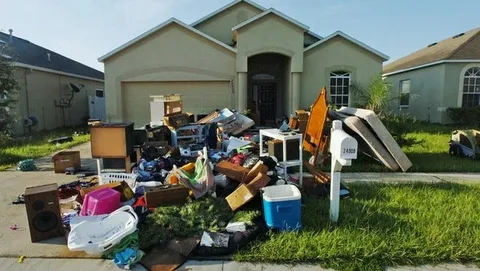
Dealing with the loss of a loved one is tough there’s no sugarcoating it. And just when you think you’ve started to find your footing, you’re faced with the overwhelming task of clearing out a deceased estate. It’s not just about sorting through belongings; it’s about handling memories and emotions that come flooding back. But fear not. By breaking down the process into manageable steps, you can navigate this journey with a little more ease.
1. Start with a Plan
First things first take a deep breath and make a plan. Jumping in headfirst can be tempting, but trust me, it’s a recipe for chaos. Grab a notebook or open a spreadsheet and jot down what needs doing. Think about the size of the estate, the number of rooms, and any big-ticket items. It’s not just about the physical stuff; consider legal paperwork and any deadlines you might need to meet.
It’s wise to involve family members. This isn’t just your burden to bear. By sharing the responsibility, you can also share the memories and stories that come with each item. Plus, it can be a bonding experience, albeit a bittersweet one.
2. Sort and Prioritise
Now, let’s tackle sorting. This is where the real work begins. Prioritise items into categories: keep, donate, sell, and toss. This might sound straightforward, but emotions can complicate things. That old teapot? It might look like junk to some, but it was Nan’s favourite.
Be gentle with yourself and others involved. What seems like clutter might hold sentimental value, and that’s okay. Use sticky notes or coloured tags to mark items without making permanent decisions right away. This lets everyone mull over their choices and avoids rash decisions.
3. Engage Professionals When Needed
Sometimes, it’s just too much to handle alone. And that’s alright. Professional help can be a lifesaver. Estate clearing services specialise in sorting, packing, and even selling items, taking a significant load off your shoulders. They can speed up the process and offer an outsider’s perspective, sometimes that’s just what’s needed to get unstuck.
If the estate includes valuable items, like antiques or artwork, consider hiring an appraiser. This way, you ensure fair valuation, which can be crucial for any legal proceedings or sales.
4. Handle the Legalities
Here’s the thing: clearing out a deceased estate isn’t just about physical belongings. There are legalities to consider. Before you start distributing items, ensure you’ve got the legal green light. The will must be validated, and any debts or taxes settled.
If you’re not sure where to start, a solicitor or estate lawyer can be incredibly helpful. They can guide you through the probate process and make sure everything’s up to snuff. It might feel like one more thing on your plate, but crossing your T’s and dotting your I’s is crucial.
5. Give Yourself Time
Let’s be honest, this isn’t a process you want to rush. Allow yourself the time to grieve and process. Set realistic goals and timelines. It’s okay if you don’t clear everything out in a weekend or even a month. Grief isn’t linear, and some days will be tougher than others.
Lean on your support network. Whether it’s family, friends, or a community group, having people to talk to makes a world of difference. Sharing stories and memories can be a healing part of the process.
Conclusion
Clearing out a deceased estate isn’t just a physical task; it’s an emotional journey. It’s filled with memories both joyful and painful. By starting with a plan, sorting thoughtfully, and seeking help when needed, you can manage this daunting task more smoothly.
Remember, it’s okay to take your time. This process is unique to you and your loved ones. So, go easy on yourself. Honour the memories, cherish the moments, and when you’re ready, let go.