
Choosing the right flooring can transform the appearance, comfort and functionality of a home. Many homeowners prefer hardwood flooring because of its natural beauty, distinctive grain patterns and timeless appeal. It complements different interior styles, from traditional homes to modern apartments, while creating a warm and welcoming atmosphere. Understanding the available materials, installation requirements and maintenance practices can help homeowners select a suitable option that meets their design preferences and everyday needs.
Why Is Hardwood Flooring a Popular Choice?
Natural timber floors have remained popular because they combine visual appeal with long-term usability. Each timber board has its own grain, texture and colour variations, giving the finished floor a distinctive appearance.
Another advantage is its versatility. Timber surfaces can complement neutral interiors, wooden furniture and contemporary decorative features. Depending on the species and finish, homeowners can choose light, medium or dark tones to suit their preferred design.
Durability is another important consideration. With appropriate installation and maintenance, quality timber floors can last for many years. Some solid timber products can also be sanded and refinished when the surface becomes worn, depending on the thickness and condition of the boards.
What Types of Hardwood Flooring Are Available?
Understanding the main flooring options makes it easier to compare their features and suitability.
Solid Timber Flooring
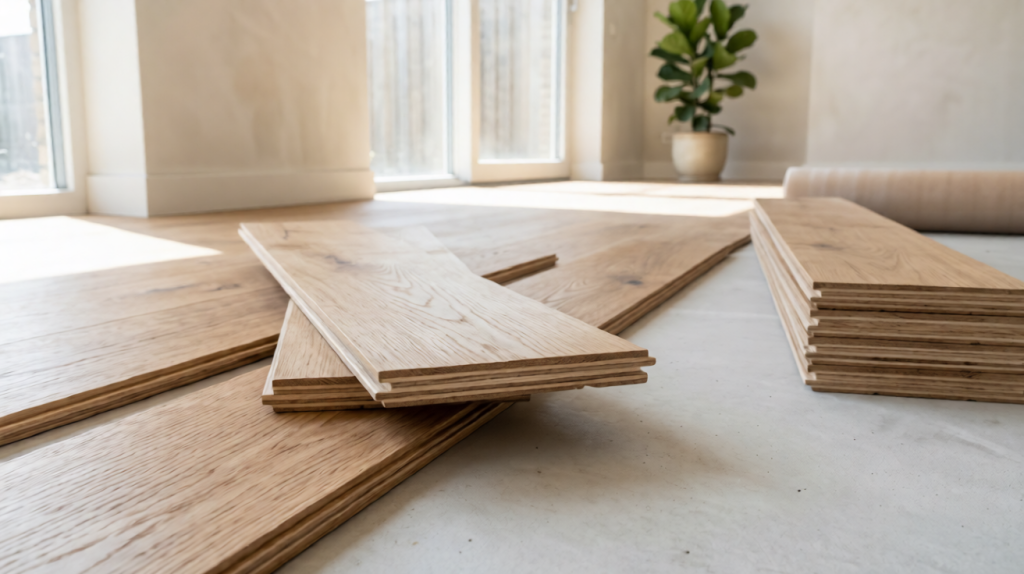
Solid timber boards are made from a single piece of natural wood. They provide an authentic timber appearance and can often be refinished several times, depending on the board’s thickness and condition.
This option suits homeowners who appreciate natural materials and traditional craftsmanship. However, solid timber can expand and contract as temperature and humidity change. Proper installation and suitable indoor conditions are important for maintaining its stability.
Engineered Timber Flooring
Engineered timber consists of a real timber surface attached to a layered core. This construction is designed to improve dimensional stability compared with many solid timber products.
It offers the appearance of natural wood and can be suitable for various residential interiors. Some engineered boards can be refinished, but this depends on the thickness of the timber surface layer and the manufacturer’s specifications.
Prefinished Timber Boards
Prefinished boards are treated with a protective coating before installation. This can reduce the amount of finishing work required at the property and provide a consistent surface appearance.
Available finishes include matte, satin and higher-sheen options. Homeowners should compare the coating’s durability, cleaning requirements and suitability for their intended space before making a purchase.
How Do You Choose the Right Timber for Your Home?
Selecting suitable timber involves considering more than colour and appearance. The room’s purpose, expected foot traffic and maintenance requirements should influence the decision.
Harder timber species may be better suited to busy living areas because they generally resist indentation more effectively than softer species. However, no timber surface is completely resistant to scratches, dents or wear.
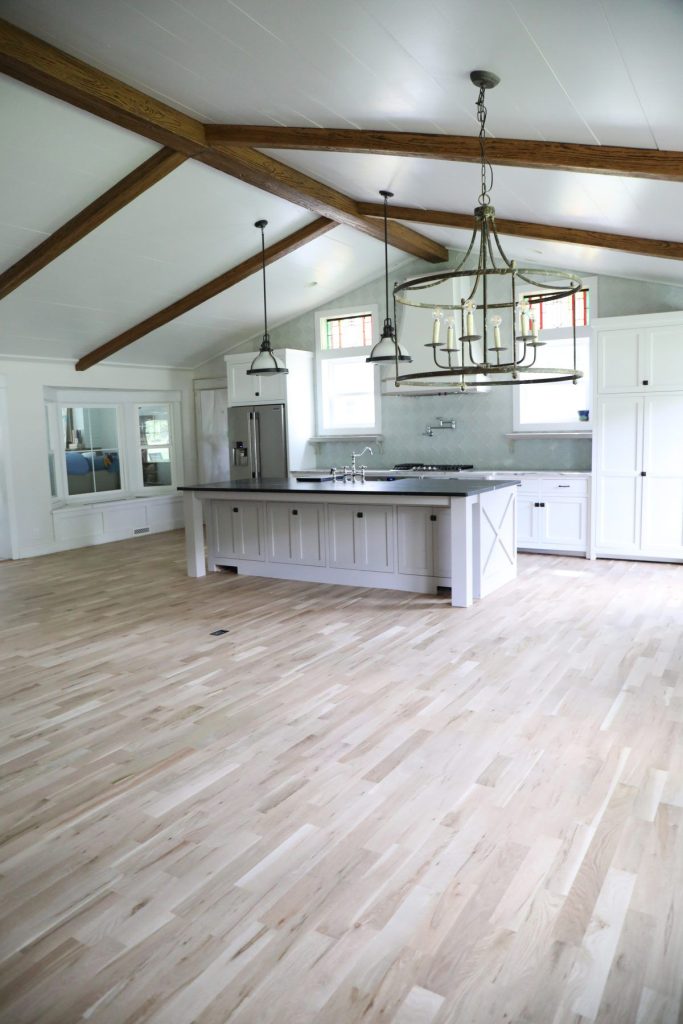
Colour also affects the overall interior design. Lighter boards can create a bright, open feeling, while darker finishes may add depth and contrast. Natural grain patterns can make a room feel more textured and visually interesting.
Consider the property’s existing features, including wall colours, furniture, lighting and architectural style. Requesting samples can help you see how different finishes look under the lighting conditions in your home.
It is also important to consider moisture exposure. Timber is sensitive to changes in humidity, and prolonged water exposure may cause swelling, staining or other damage. Rooms with frequent moisture require careful product selection and compliance with manufacturer recommendations.
What Should You Know Before Installation?
Proper preparation plays an important role in achieving a stable and attractive floor. The existing surface should be inspected to identify uneven areas, damage and possible moisture problems.
The subfloor may require cleaning, levelling or repairs before installation begins. Moisture testing may also be necessary, particularly for concrete substrates or areas where dampness could affect the timber.
The selected flooring must be installed according to the manufacturer’s instructions. Depending on the product, this may involve adhesive fixing, mechanical fixing or a floating installation system. Expansion allowances and appropriate environmental conditions are important because timber responds naturally to changes in moisture and temperature.
Accurate measurements help determine the required quantity of materials and reduce unnecessary waste. Planning board direction, transitions between rooms and finishing details can also improve the final appearance.
Homeowners should obtain a detailed quotation covering materials, labour, subfloor preparation, removal of existing flooring and finishing work. This makes it easier to understand the overall project cost and avoid unexpected expenses.
How Can You Maintain Timber Floors?
Regular maintenance helps preserve the appearance and condition of timber surfaces. Dust, grit and small particles can cause scratches when dragged across the floor, so sweeping or vacuuming with a suitable attachment should be part of the cleaning routine.
Use cleaning products specifically recommended for the installed finish. Avoid excessive water, steam cleaning and harsh chemicals unless the manufacturer confirms they are suitable for the product.
Furniture pads can help minimise scratches, while entrance mats reduce the amount of dirt brought inside. Wipe up spills promptly and maintain suitable indoor humidity to reduce excessive movement in the boards.
Direct sunlight can gradually change the colour of natural timber. Curtains, blinds and rearranging rugs occasionally can help reduce uneven colour changes caused by prolonged exposure.
Inspect the floor periodically for damaged boards, loose sections or signs of moisture. Addressing problems early can help prevent more extensive repairs.
Is Hardwood Flooring a Good Long-Term Investment?
Timber flooring can be a worthwhile long-term choice for homeowners who value natural materials, design flexibility and the possibility of refinishing certain products. Its overall value depends on the timber species, product quality, installation method and ongoing care.
Although the initial cost may be higher than some alternative flooring materials, the lifespan and maintenance requirements should also be considered when comparing options. Budgeting for installation and occasional repairs provides a more realistic view of the long-term expense.
The best choice is one that balances appearance, practicality and available budget while meeting the requirements of the property.
Conclusion
Choosing the right timber floor involves understanding material types, installation requirements and ongoing maintenance. By comparing suitable products, preparing the subfloor correctly and following recommended care practices, homeowners can create an attractive and functional interior. Hardwood flooring offers a natural finish that can complement different home designs and provide lasting appeal when the product is selected carefully and maintained appropriately.