

A strong, well-maintained roof protects a building from rain, wind, sunlight and changing weather conditions. Over time, damaged tiles, loose metal sheets and deteriorating seals may allow water to enter the property. Identifying these problems early and arranging roof repairs in North Sydney helps homeowners maintain their roofs, prevent moisture damage and avoid more extensive maintenance expenses.
What Are the Warning Signs of Roof Damage?
Roofing problems may develop gradually, making regular inspections important for identifying defects before they worsen. Common warning signs include cracked or missing tiles, rusted metal sheets, loose ridge capping and damaged flashing around chimneys or skylights.
Inside the property, water stains on ceilings, peeling paint, damp walls and mould growth may indicate a leak. Homeowners should also pay attention to overflowing gutters and damaged downpipes, as poor drainage may contribute to water entering vulnerable areas.
After heavy rain or strong winds, check for visible damage from the ground. If unusual signs appear, arrange a professional inspection rather than attempting to access the roof yourself.
What Causes Roofing Problems?
Roofs experience continuous exposure to environmental conditions. Strong sunlight can gradually deteriorate protective coatings, while temperature changes may cause materials to expand and contract. Rain and wind can also weaken ageing roofing components.
Storms may dislodge tiles, loosen metal sheets or damage flashing. Falling branches can create sudden structural damage, while leaves and debris may block gutters and prevent rainwater from draining efficiently.
Poor installation, insufficient maintenance and ageing materials can increase the likelihood of recurring roofing issues. Understanding the cause of damage is essential because repairing the visible problem alone may not resolve the underlying issue.
Why Should You Address Roof Damage Early?
Prompt repairs help prevent water from reaching insulation, timber structures, ceilings and internal walls. Persistent moisture may encourage mould growth, damage paintwork and affect the condition of building materials.
Depending on the roof’s condition, professional repairs may include replacing broken tiles, securing loose sheets, repairing flashing, fixing ridge capping or resealing suitable roof penetrations. The correct approach depends on the roofing material, the source of the leak and the extent of deterioration.
Early attention may also reduce the need for repeated repairs. A qualified roofing professional can assess the affected areas, explain the available options and recommend suitable work for the property.
How Can Weather Conditions Affect Your Roof?
Changing weather conditions can place additional pressure on roofing materials. Heavy rainfall may expose weaknesses around joints, flashing and drainage systems, while strong winds can loosen roof tiles, lift metal sheets or dislodge ridge capping. Extended periods of sunlight may also contribute to the deterioration of sealants and protective coatings.
Preparing the roof before periods of severe weather helps reduce the risk of unexpected damage. Homeowners should check that gutters are clear, downpipes are functioning and visible roofing components appear secure. Following a storm, a professional inspection can identify hidden problems that may not be visible from the ground.
What Should You Consider When Planning Roof Repairs?
Planning roofing work involves understanding the type of damage, the materials required and the urgency of the repair. A minor leak may need immediate attention to prevent water from spreading, while other maintenance tasks may be scheduled following a professional assessment. Obtaining a clear quotation helps homeowners understand the proposed work and associated costs.
It is also useful to consider the roof’s age and previous repair history. If the same problem continues to return, the underlying cause may need further investigation. Discussing these details with a roofing professional helps establish whether a targeted repair is sufficient or whether additional work should be considered.
How Can You Keep Your Roof in Good Condition?
Regular maintenance helps identify minor defects before they develop into costly problems. Homeowners should arrange periodic inspections and consider additional checks following severe weather.
Gutters and downpipes should be cleared of leaves and debris to maintain effective drainage. Overhanging branches should be managed safely, and visible roofing components should be checked for corrosion, cracks and loose fittings.
Areas around skylights, vents and chimneys deserve particular attention because damaged flashing or deteriorated seals may allow moisture to enter. Keeping records of previous inspections and repairs can also help homeowners monitor recurring problems and plan future maintenance.
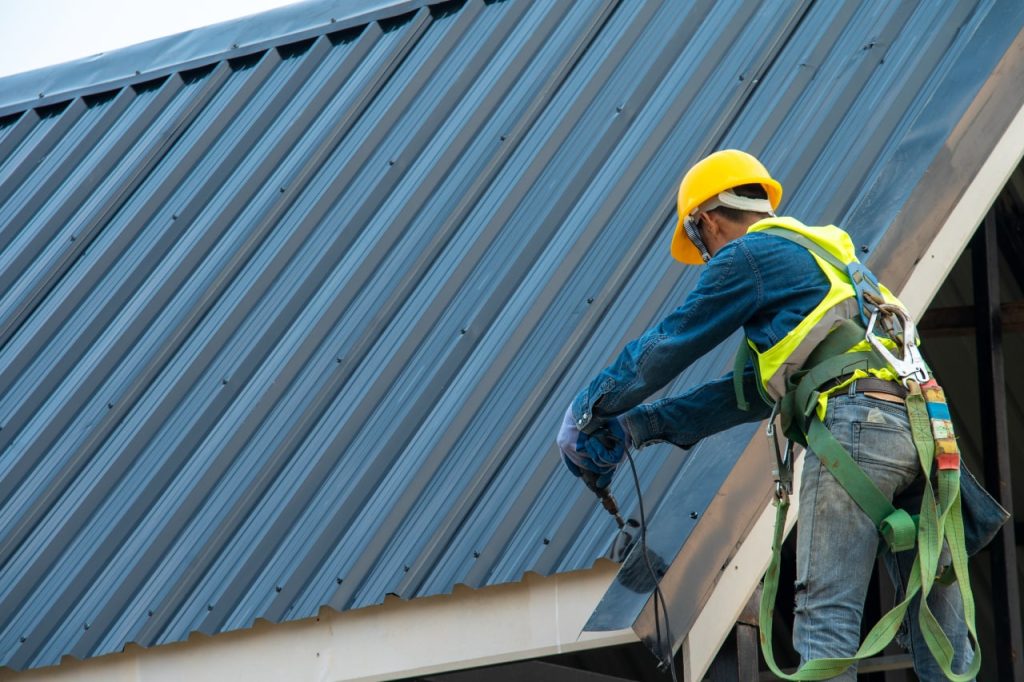
Roof inspections and repairs should be handled safely. Avoid climbing onto wet, steep or damaged surfaces, as falls can cause serious injuries.
Should You Repair or Replace Your Roof?
The decision depends on the roof’s age, material, overall condition and the extent of damage. Localised issues, such as a few broken tiles or a small section of damaged flashing, may only require targeted repairs.
However, widespread corrosion, repeated leaks and extensive material deterioration may indicate that more comprehensive work is needed. In these situations, a professional assessment can help determine whether continued repairs are practical or roof replacement should be considered.
Comparing the estimated costs with the roof’s expected remaining service life helps homeowners make informed decisions and manage their maintenance budgets effectively.
How Do You Choose a Roofing Contractor?
Choose a contractor with relevant roofing experience, appropriate licensing where required and suitable insurance. Request a written quotation that explains the proposed work, materials, labour costs and any exclusions.
Reviewing customer feedback and asking about previous projects can help assess a contractor’s suitability. Clear communication and transparent pricing also make it easier to understand the recommended repairs before work begins.
Frequently Asked Questions
How often should a roof be inspected?
Arrange periodic inspections and additional checks after significant storms or when signs of damage appear. The frequency depends on the roof’s age, materials and exposure to weather.
Can a small roof leak cause serious damage?
Yes. Continued water penetration may damage insulation, timber, ceilings and internal walls, even when the original leak appears minor.
When should a roof be replaced instead of repaired?
Replacement may be appropriate when damage is widespread, materials have deteriorated significantly or repairs are no longer a practical long-term solution.
Conclusion
Regular inspections, effective drainage and timely maintenance help protect roofing materials and reduce the risk of water damage. By recognising early warning signs and choosing an experienced contractor, homeowners can maintain roof performance, manage repair costs and protect their properties for years to come.