

Choosing the right drainage products is an important part of maintaining safe, functional, and well-designed residential, commercial, and industrial properties. An effective drainage system helps manage excess water, prevent water accumulation, and protect buildings and outdoor areas from moisture-related problems. Whether planning a new construction project, renovating a bathroom, or upgrading an existing drainage network, selecting suitable products is essential for long-term performance.
Finding reliable drainage suppliers in Sydney NSW can make the purchasing process easier by providing access to different drainage products, materials, sizes, and designs. However, choosing the right supplier involves more than comparing prices. Product quality, material durability, availability, technical specifications, and suitability for the intended application should also be considered.
Understanding the different drainage options and what to look for when purchasing them can help homeowners, builders, plumbers, and contractors make informed decisions.
Why Is Choosing the Right Drainage Supplier Important?
A drainage system consists of several components that work together to collect and direct wastewater or surface water away from a property. Poor-quality products or unsuitable components may lead to blockages, water pooling, corrosion, and unnecessary maintenance expenses.
A suitable supplier helps customers identify products that match their project requirements. Access to different drainage solutions also makes it easier to compare materials, dimensions, finishes, and installation requirements.
Working with an established supplier can offer several advantages:
- Access to different drainage products for residential and commercial applications.
- Options in various materials, sizes, and configurations.
- Product information to support purchasing decisions.
- Suitable solutions for bathrooms, kitchens, outdoor areas, and industrial environments.
- Assistance with identifying compatible drainage components.
Selecting appropriate products from the beginning can help reduce installation issues and support the long-term performance of the drainage system.
What Types of Drainage Products Are Available?
Drainage requirements vary depending on the property layout, water flow, and installation environment. Understanding common product categories can help narrow down the right options.
Floor Waste Drains
Floor waste drains are commonly installed in bathrooms, laundries, kitchens, and other wet areas. They collect water from the floor and direct it into the connected plumbing system.
These products are available in different shapes, sizes, and finishes to complement various flooring designs. Selecting the correct drain requires consideration of floor gradients, outlet dimensions, and expected water flow.
Linear Drainage Systems
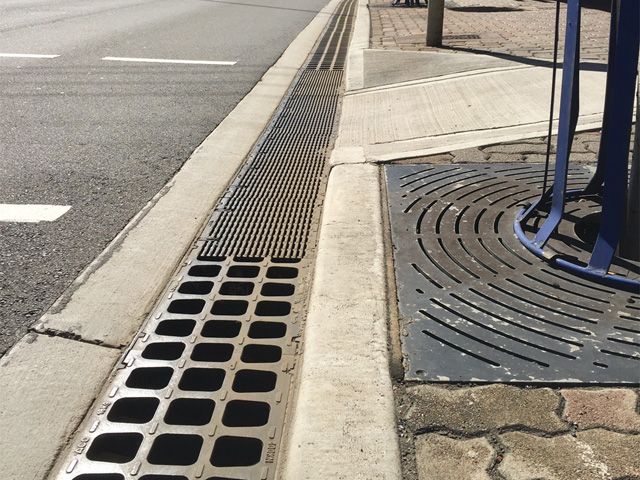
Linear drains feature long, narrow channels designed to collect water along a larger section of the floor.
They are popular in contemporary bathrooms, walk-in showers, commercial washrooms, and other areas where a streamlined drainage design is preferred.
Their installation requires careful planning to ensure the floor gradient directs water towards the drainage channel.
Stainless Steel Drainage Grates
Stainless steel grates cover drainage channels while allowing water to pass through their openings.
They are commonly used in commercial kitchens, industrial facilities, outdoor spaces, and wet areas. Stainless steel is valued for its strength, clean appearance, and corrosion resistance.
Grade 304 is suitable for many general applications, while Grade 316 provides additional resistance to chlorides and more demanding environments.
Tile Insert Drains
Tile insert drains feature recessed covers that accommodate matching floor tiles. This design creates a more seamless appearance by allowing the drainage area to blend with the surrounding flooring.
They are particularly suitable for modern bathrooms, luxury showers, and renovation projects where appearance is an important consideration.
Outdoor Drainage Channels
Outdoor drainage channels help collect rainwater and surface runoff from driveways, patios, pathways, and landscaped areas.
They are available in different materials and load ratings depending on the installation location. The selected system should handle the expected water volume and traffic conditions.
What Should You Consider When Choosing Drainage Products?
Before purchasing drainage components, evaluate the following factors to ensure the products suit your project.
Material Quality and Durability
Drainage products are regularly exposed to moisture, cleaning chemicals, dirt, and changing environmental conditions.
Stainless steel, polymer, and other suitable drainage materials offer different performance characteristics. Consider corrosion resistance, structural strength, maintenance requirements, and the installation environment before making a selection.
Product Dimensions and Compatibility
Correct measurements are essential for proper installation. Check the length, width, depth, outlet size, and connection requirements of each product.
The drainage components should fit the existing plumbing arrangement or the planned construction layout.
Water Flow Capacity
Every drainage system must handle the expected amount of water.
Consider the drainage outlet size, channel configuration, and manufacturer’s flow-rate specifications. Products with insufficient capacity may contribute to water pooling and drainage problems.
Load-Bearing Requirements
Drainage covers installed in pedestrian areas have different requirements from those used in driveways or industrial environments.
Check the manufacturer’s load classification to ensure the product is suitable for the expected foot traffic, vehicles, or equipment.
Cleaning and Maintenance
Choose drainage products that allow convenient access for removing debris and inspecting internal channels.
Removable grates and accessible drainage components can make regular maintenance easier and help reduce the risk of blockages.
How Can You Identify Reliable Drainage Suppliers?
Finding a suitable supplier requires evaluating more than product availability. Consider these important points before placing an order.
Check the Product Range
Look for suppliers offering different drainage solutions for residential, commercial, and industrial projects. A broader product range makes it easier to compare options and find compatible components.
Review Product Specifications
Reliable product information should include material grades, dimensions, installation details, and load ratings where applicable.
These specifications help customers understand whether a particular product meets their project requirements.
Compare Quality and Pricing
Price is an important purchasing consideration, but it should not be the only deciding factor.
Compare material quality, construction, product specifications, and maintenance requirements. A product with a lower initial cost may require more frequent replacement if it is unsuitable for the installation environment.
Consider Product Availability
Construction and renovation projects often operate according to specific schedules. Checking product availability and expected delivery times can help contractors plan installations more effectively.
Why Is Proper Drainage Important in Sydney Properties?
Sydney properties experience different drainage requirements depending on their location, building design, and surrounding environment.
Residential bathrooms require effective floor drainage to manage everyday water usage. Commercial kitchens need suitable drainage systems to support cleaning and hygiene practices. Outdoor spaces may require channels that manage rainwater and surface runoff during wet weather.
Coastal locations may also experience greater exposure to salt and moisture, making material selection particularly important.
For these reasons, choosing drainage products that suit the local environment and intended application is essential. Correct installation, appropriate waterproofing, and regular maintenance also play important roles in preventing drainage-related issues.
Frequently Asked Questions
What drainage products are commonly used in residential properties?
Common options include floor waste drains, shower channels, bathroom grates, linear drains, and outdoor drainage channels. The right choice depends on the location and water management requirements.
Which material is best for drainage grates?
Stainless steel is a popular option because of its strength and corrosion resistance. Grade 304 suits many general applications, while Grade 316 is often preferred for environments with greater chloride exposure.
How do I choose the correct drainage channel size?
Consider the installation dimensions, expected water flow, outlet capacity, and manufacturer’s specifications. For larger outdoor or commercial installations, professional drainage advice may be helpful.
Are linear drains suitable for residential bathrooms?
Yes. Linear drains are commonly used in modern residential bathrooms, particularly walk-in showers. They provide a streamlined appearance and can support effective water collection when correctly installed.
How often should drainage systems be maintained?
Drainage systems should be inspected and cleaned regularly. The required frequency depends on usage, the surrounding environment, and the amount of debris entering the system.
Conclusion
Selecting suitable drainage products is essential for maintaining efficient water management and protecting residential, commercial, and industrial properties. From floor waste drains and linear channels to stainless steel grates and outdoor drainage systems, every product should match the intended application.
When comparing drainage suppliers in Sydney NSW, consider product quality, material durability, technical specifications, availability, and compatibility with your project. Taking time to evaluate these factors can help prevent installation problems, reduce maintenance requirements, and support long-term drainage performance.