

Building a concrete pool is a popular choice among homeowners due to its durability, customisation options, and lasting appeal. However, the cost of building a concrete pool involves more than just the obvious expenses of construction materials and labour. Many homeowners are surprised by a range of hidden costs that can significantly impact the final price. Here, we’ll explore some lesser-known expenses associated with concrete pool construction that homeowners often overlook.
Permits and Regulations
Before breaking ground, it’s essential to factor in the cost of permits and compliance with local regulations. The cost to build a concrete pool often includes various permits related to land use, zoning, and safety standards. These permits vary by location, but in most areas, they are non-negotiable. Skipping the permit process can lead to fines, delays, or even the need to dismantle and redo the work to meet regulatory standards. Additionally, certain municipalities may require site inspections, which can incur extra charges, adding to the overall project cost.
Soil Testing and Excavation Surprises
Soil testing is a vital but often forgotten step in the process. Before installing a concrete pool, soil conditions need to be assessed to ensure they can support the structure’s weight and prevent future issues like settling or cracking. Certain types of soil, like clay or loose sandy ground, may require stabilisation, which can drive up costs. Soil testing identifies potential concerns before construction, helping homeowners budget for any necessary excavation modifications. In cases where extensive excavation or soil replacement is required, the cost to build a concrete pool can increase substantially.
Landscaping and Surrounding Features
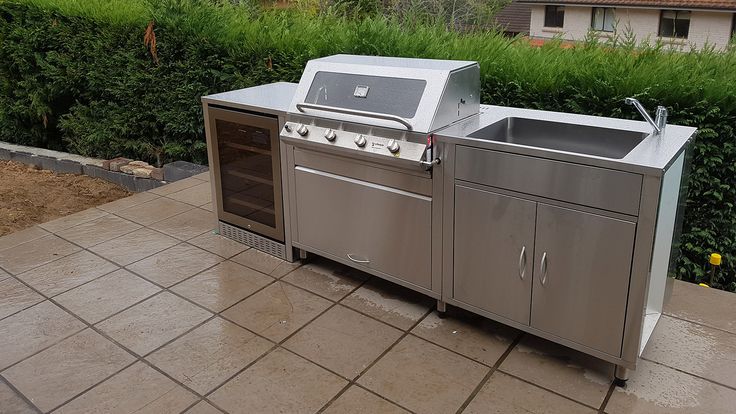
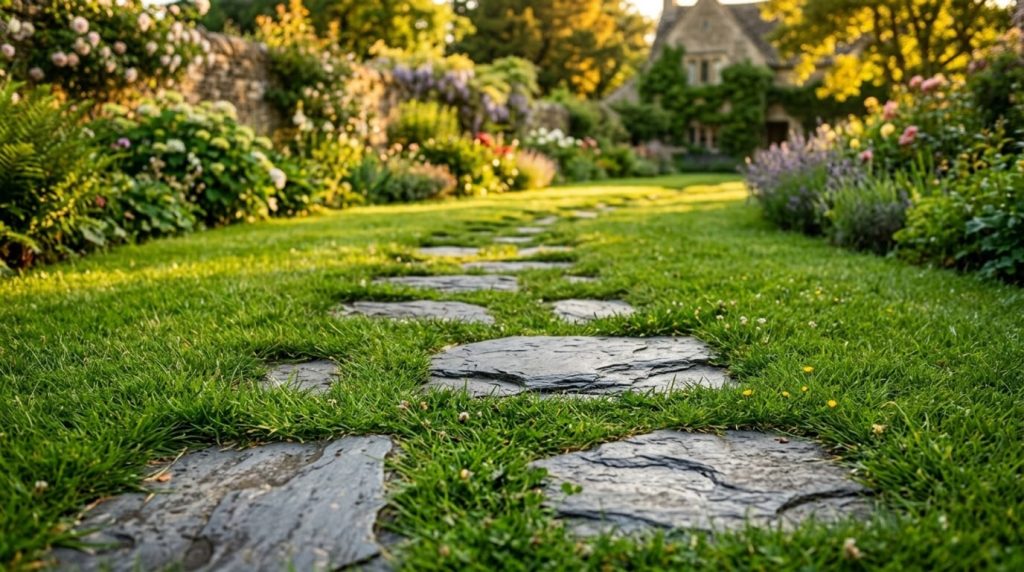
When budgeting for a concrete pool, homeowners often forget to consider the landscape and aesthetic features that will complete the look. Pool installation can disrupt a backyard’s layout, requiring landscaping to restore or enhance the surrounding area. Hardscaping elements, such as decking, walkways, or retaining walls, can quickly add to the cost, especially if they require specific materials or custom designs. Similarly, plants, lighting, and outdoor furniture contribute to the overall pool area’s functionality and appeal but can be costly if they’re not part of the initial budget.
Ongoing Maintenance and Cleaning Costs
Concrete pools, while durable, require consistent upkeep to maintain their structure and appearance. Unlike other materials, concrete is prone to algae growth, which can increase maintenance costs over time. Periodic cleaning, chemical treatments, and occasional resurfacing or patching are necessary to keep the pool safe and visually appealing. Many homeowners don’t consider the cumulative maintenance costs when calculating the cost to build a concrete pool, but these can add up significantly over the years.
Concrete pools also generally need more frequent resurfacing compared to vinyl or fibreglass pools. Resurfacing helps maintain a smooth interior, preventing cracks or surface deterioration. Without regular attention, a concrete pool can develop unsightly stains or rough patches, making maintenance an ongoing financial consideration.
Equipment and Utility Expenses
The equipment needed to operate a concrete pool—such as pumps, filters, and heaters—is essential to its functionality and safety. The quality and efficiency of these systems can affect the long-term cost to build a concrete pool, as cheaper or less efficient models may require replacement or costly repairs sooner than anticipated. Additionally, pool equipment like heaters and lighting can increase energy bills, adding to the ongoing expense of pool ownership. Opting for energy-efficient equipment may have a higher upfront cost, but it can lead to long-term savings on utilities.
Conclusion: Planning Ahead for the True Cost of a Concrete Pool
When budgeting for a pool, the cost to build a concrete pool is often higher than anticipated due to these additional expenses. By understanding and accounting for hidden costs, such as permits, soil testing, landscaping, and maintenance, homeowners can avoid budget surprises and ensure a smooth construction process. Being prepared for these overlooked aspects not only ensures a beautiful pool but also helps manage long-term financial commitments, allowing homeowners to fully enjoy their investment without unexpected costs.