
When planning a new kitchen, bathroom, or outdoor space, one of the biggest considerations is the choice of surface material. In recent years, sintered stone has become a popular option thanks to its durability, modern look, and versatility. But for many homeowners, the main question remains: what does it actually cost? Understanding the sintered stone price trends in Australia for 2025 can help you make an informed decision and budget effectively.
What factors affect the cost of sintered stone countertops?
The price of sintered stone is influenced by several key elements. Thickness is one of the biggest factors. A standard 12mm slab will typically be more affordable than a thicker 20mm or 30mm slab. The size of your project also matters; larger kitchens or outdoor benches require more material, which increases overall cost.
Another consideration is the finish. Sintered stone can come in polished, matte, or textured options, and each requires different manufacturing techniques. More complex finishes or unique colours often come at a premium.
Installation also plays a role. Professional fitting is essential to ensure durability, and this labour cost adds to the final price. If your project involves custom edges, cut-outs for sinks, or integrated splashbacks, expect these extras to influence the total.
How does sintered stone compare to other materials in price?
When compared to natural stone like marble or granite, sintered stone generally sits in the mid to high price range. While it may not be the cheapest option on the market, it often provides better long-term value due to its low maintenance and resistance to heat, scratches, and stains.
Laminate surfaces remain the most affordable choice, but they lack the longevity of sintered stone. On the other end, premium natural stones or rare materials can sometimes exceed sintered stone in cost. In 2025, many homeowners see sintered stone as a smart balance between affordability and performance.
What are the price trends for sintered stone in 2025?
The Australian market has seen steady growth in demand for sintered stone. With increased popularity, more suppliers are offering a wider range of designs and colours. This competition has helped stabilise prices in recent years.
In 2025, the average cost of sintered stone remains relatively consistent, though some premium finishes and imported styles have seen slight increases due to rising shipping and production costs. Locally available options tend to be more budget-friendly, while exclusive or rare colours continue to command higher prices.
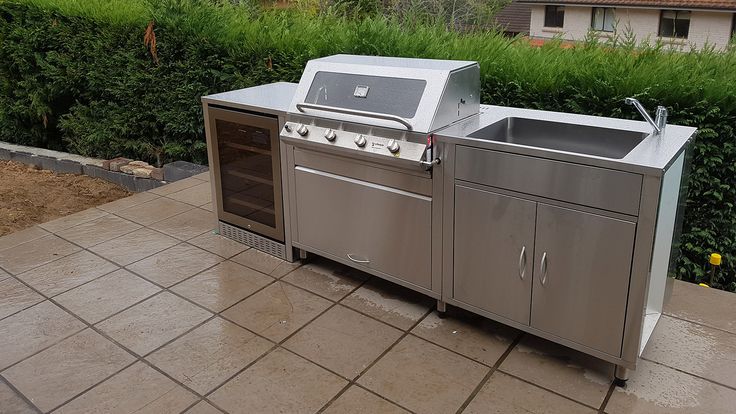
Another noticeable trend is the use of sintered stone outdoors. As Australians embrace alfresco living, demand for weather-resistant benchtops and surfaces has grown, slightly shifting pricing structures in this segment.
How can homeowners budget for a sintered stone project?
When planning your renovation, it’s important to account for both the material and installation. Requesting detailed quotes will give you a clearer picture of the total investment. Allowing a small buffer in your budget is also wise, as additional costs may arise during installation, such as unforeseen adjustments or custom finishes.
It’s also worth considering the long-term savings. Unlike some surfaces that require regular sealing or maintenance, sintered stone is virtually maintenance-free. Over time, this can balance out the initial spend, making it a cost-effective solution in the long run.
Is sintered stone worth the investment in 2025?
For many homeowners, the answer is yes. While the upfront price can be higher than entry-level options, the durability, aesthetic appeal, and minimal upkeep make it a worthwhile choice. Sintered stone offers a balance of practicality and style that suits both modern and traditional spaces.
Conclusion
In 2025, the cost of sintered stone reflects its value as a premium yet accessible material. By understanding price trends, comparing finishes, and factoring in installation, you can make a confident decision that enhances your home for years to come.