

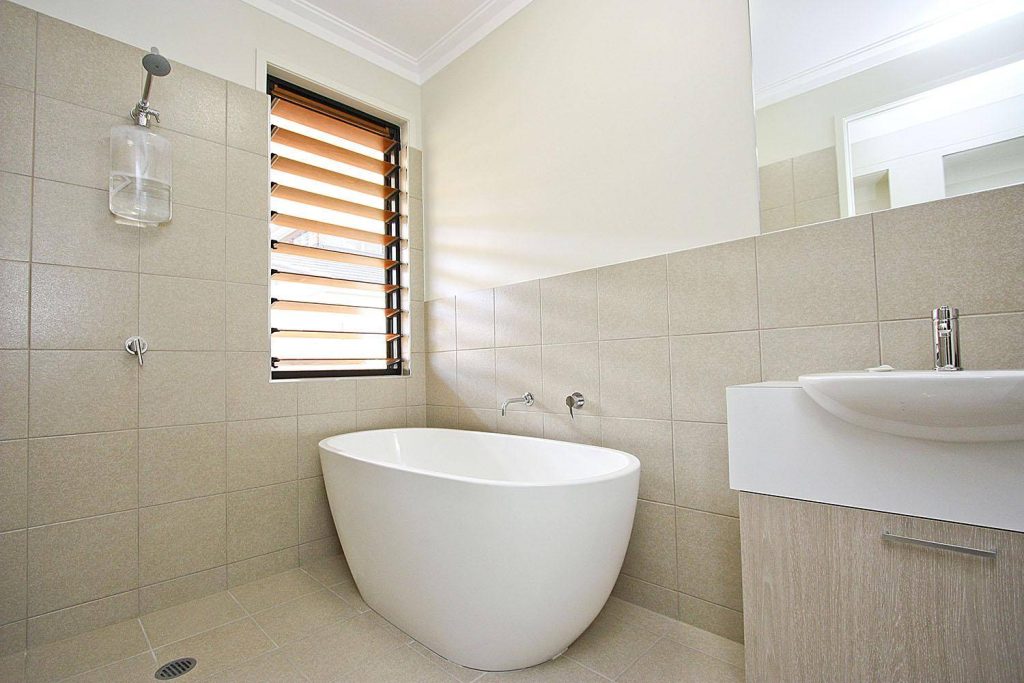
When designing a wet room, one of the crucial considerations is the choice of wall lining. This element not only contributes to the aesthetic appeal of the space but also plays a significant role in ensuring durability and maintaining hygiene. Here’s a detailed look at various options for wet room wall linings and what makes each suitable for different needs:
Tiles
Tiles remain a popular choice for wet room wall linings due to their versatility and durability. Available in a myriad of materials such as ceramic, porcelain, and natural stone, tiles offer a range of styles to suit any aesthetic preference. They are highly resistant to water and moisture, making them ideal for wet environments. Properly grouted tiles create a seamless and waterproof surface, enhancing both the functionality and visual appeal of the wet room.
Waterproof Wall Panels
Waterproof wall panels provide a practical alternative to tiles, offering easy installation and maintenance. These panels are typically made from PVC or composite materials, designed to withstand prolonged exposure to moisture without deteriorating. They come in various finishes and colours, allowing for creative freedom in design while ensuring a robust barrier against water ingress. Waterproof wall panels are particularly favoured for their seamless appearance and hygienic properties, making them a popular choice in modern wet room designs.
Acrylic Sheets
Acrylic sheets offer a sleek and contemporary option for wet room wall linings. They are lightweight yet durable, providing a smooth surface that is easy to clean and maintain. Acrylic is inherently waterproof, preventing mould and mildew growth, which is crucial for maintaining a healthy environment in wet rooms. These sheets are available in a range of colours and can be customised to fit specific design requirements, making them a versatile choice for both residential and commercial wet room installations.
Waterproof Paint
Waterproof paint provides a cost-effective solution for wet room wall linings, especially when applied over suitable substrates such as moisture-resistant plasterboard or cement board. This paint forms a protective barrier against moisture while allowing for breathability, which helps in controlling humidity levels within the wet room. It is available in various finishes and colours, offering flexibility in design without compromising on functionality. Waterproof paint is easy to apply and can be refreshed periodically to maintain its protective properties.
Glass
Glass is a contemporary choice for wet room wall linings, offering a transparent and elegant solution. Toughened or tempered glass panels are used to create sleek, minimalist partitions or full wall coverings that enhance the sense of space in the wet room. Glass is naturally waterproof and easy to clean, making it an excellent choice for maintaining hygiene in wet environments. It also allows for natural light to penetrate, creating a brighter and more inviting atmosphere within the wet room.
Conclusion
Choosing the right wall lining for a wet room involves considering factors such as durability, maintenance, and design aesthetics. Each option, whether it’s tiles, waterproof panels, acrylic sheets, waterproof paint, or glass, offers unique advantages that cater to different preferences and requirements. By selecting the most suitable wall lining, you can ensure not only the longevity and functionality of the wet room but also create a stylish and inviting space that meets the needs of its users effectively.