Choosing the right roofing materials can improve the appearance, functionality, and comfort of a property. Whether you are building a patio cover, installing a pergola roof, upgrading a carport, or creating a covered outdoor entertainment area, selecting suitable materials is essential for achieving a practical and long-lasting result. Polycarbonate roofing is a popular option because it allows natural light to enter while providing shelter from rain and other outdoor conditions.
Finding quality polycarbonate roofing supplies helps homeowners, builders, and contractors select products that suit their designs, budgets, and installation requirements. Understanding the different sheet types, thicknesses, colours, and accessories can make the purchasing process easier and help avoid common roofing problems.
Why Is Polycarbonate Roofing a Popular Choice?
Polycarbonate is a durable thermoplastic material used in a wide range of roofing applications. It is valued for its lightweight construction, impact resistance, and ability to transmit natural light. These features make it suitable for areas where a bright, sheltered space is preferred.
Unlike opaque roofing materials, translucent polycarbonate sheets can allow daylight to pass through, reducing the need for artificial lighting during the day. Depending on the selected product, the sheets may also include UV-resistant coatings designed to protect the material and help reduce harmful ultraviolet transmission.
Polycarbonate roofing is commonly used for patios, pergolas, carports, verandas, walkways, greenhouses, and outdoor commercial spaces. Its versatility allows property owners to choose products that balance light transmission, privacy, heat control, and visual appeal.
However, not every polycarbonate sheet is suitable for every application. The correct product depends on the roof design, local weather conditions, structural support, and manufacturer’s specifications.
What Types of Polycarbonate Roofing Sheets Are Available?
Understanding the available sheet styles helps you choose a product that matches the purpose of your roofing project.
Corrugated Polycarbonate Sheets
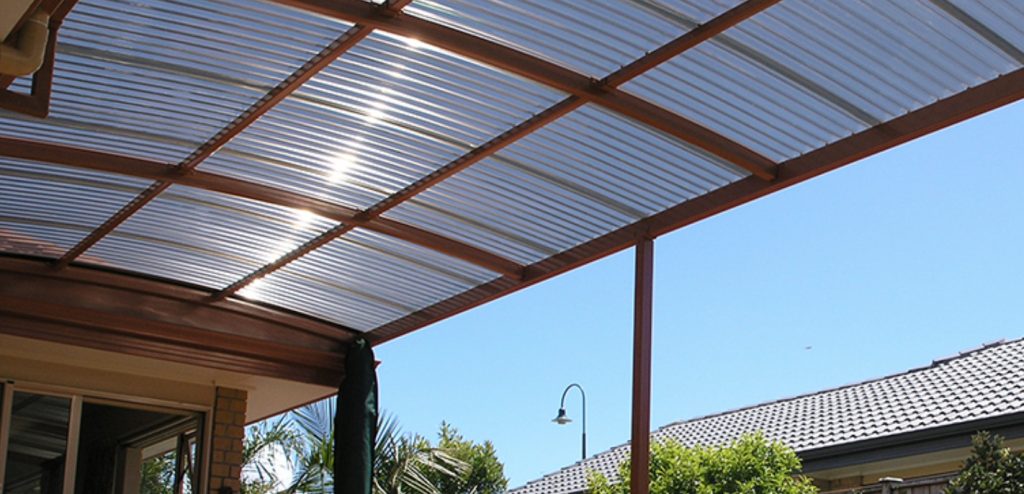
Corrugated sheets feature a wavy profile that provides rigidity and supports rainwater drainage when installed correctly. They are often used for patios, verandas, sheds, and carports.
These sheets can be a practical choice when you want natural light without installing a heavy roofing system. Before purchasing, check the sheet profile, roof pitch requirements, fixing methods, and compatibility with the supporting structure.
Multiwall Polycarbonate Sheets
Multiwall sheets contain internal channels that create a layered structure. Depending on the product, these channels can provide improved insulation compared with single-layer sheets.
They are commonly used for covered outdoor areas, skylights, greenhouses, and applications where light transmission and thermal performance are important considerations.
The sheet thickness and internal structure should be selected according to the span, loading conditions, and manufacturer’s recommendations.
Solid Polycarbonate Sheets
Solid polycarbonate sheets have a flat, continuous structure and offer a clear appearance similar to glass. They are known for their impact resistance and can be suitable for selected canopies, protective covers, and architectural applications.
Their suitability depends on the required thickness, support spacing, environmental exposure, and installation details.
Different Colours and Finishes
Polycarbonate roofing is available in clear, tinted, and opaque or diffused finishes, depending on the product range. Clear sheets allow more daylight through, while tinted options may help reduce glare and solar heat gain.
Consider the orientation of the roof, the amount of sunlight the area receives, and the intended use of the covered space before choosing a colour or finish.
How Do You Choose the Right Polycarbonate Roofing Materials?
Selecting suitable materials involves evaluating several practical factors before placing an order.
Consider Sheet Thickness and Strength
Sheet thickness affects rigidity, weight, and performance, but thicker sheets are not automatically suitable for every project. The correct specification depends on the sheet type, support spacing, expected loads, and installation requirements.
Check the manufacturer’s technical information to ensure the selected product is appropriate for the intended application.
Check UV Protection and Weather Resistance
Prolonged exposure to sunlight can affect some plastics over time. Many roofing sheets are manufactured with UV-protective features, but the location and orientation of the protective layer can vary.
Follow the manufacturer’s installation instructions to ensure the UV-protected side faces the correct direction. Also consider local wind conditions, rainfall, temperature changes, and other environmental factors.
Compare Light and Heat Control
The amount of daylight entering a covered space can influence comfort and usability. Clear sheets may suit areas where maximum natural light is desirable, while tinted or diffused options may be more appropriate where glare and heat are concerns.
Consider the space’s intended use and exposure to direct sunlight before choosing a finish.
Check Compatibility With Roofing Accessories
A complete installation may require compatible screws, sealing washers, flashing, closure strips, joining profiles, and edge trims. Multiwall products may also require specific tapes or end closures to manage moisture and debris within the channels.
Using the correct accessories and following the recommended installation method helps support effective drainage and reduce the risk of leaks.
What Should You Look for in a Roofing Supplier?
A suitable supplier should provide clear product specifications, information about available sizes, and guidance on compatible accessories. Comparing these details helps you assess whether the products meet your project’s technical and practical requirements.
Ask about sheet lengths, thickness options, colours, stock availability, delivery arrangements, and any minimum order quantities. For larger projects, confirm that the required materials can be supplied in the quantities and timeframes needed.
It is also useful to review the manufacturer’s installation instructions and warranty conditions before purchasing. Product warranties may depend on correct installation, maintenance, and use within the specified conditions.
When comparing polycarbonate roofing supplies, focus on product suitability, quality, technical documentation, and overall project costs rather than price alone. Reliable information helps you select materials that suit the design and reduce the likelihood of ordering incompatible components.
How Can You Maintain a Polycarbonate Roof?
Regular maintenance helps preserve the appearance and performance of polycarbonate roofing. Remove leaves and debris from the roof and gutters where it is safe to do so, and check for visible damage or loose fittings.
Clean the sheets using water, a soft cloth or sponge, and cleaning products approved by the manufacturer. Avoid abrasive materials and harsh chemicals that may scratch the surface or damage protective coatings.
Periodically inspect seals, flashing, fasteners, and drainage areas. Check that thermal expansion has been accommodated as specified by the manufacturer, since polycarbonate expands and contracts as temperatures change.
Do not walk directly on polycarbonate sheets unless the roofing system specifically permits it and appropriate safety measures are in place. Roof inspections and repairs at height should be handled by qualified professionals when necessary.
Conclusion
Polycarbonate roofing offers a practical way to create bright, sheltered outdoor spaces while providing flexibility in design and material selection. Choosing the right sheet type, thickness, finish, UV protection, and compatible accessories is essential for a successful installation.
By reviewing product specifications, comparing supplier options, and following the manufacturer’s installation and maintenance guidance, homeowners and contractors can make informed decisions. Careful planning and suitable materials help create a roofing system that meets the project’s functional requirements and maintains its appearance over time.