


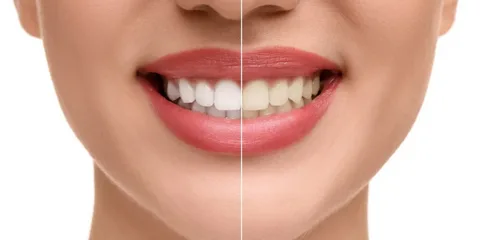
Teeth whitening in Barangaroo refers to cosmetic dental procedures aimed at reducing stains and improving the brightness of natural teeth. These treatments are designed to address discolouration caused by lifestyle factors, ageing, and surface staining. This listicle provides a structured overview of teeth whitening in Barangaroo, explaining methods, processes, and key considerations involved.
Understanding Tooth Discolouration
Tooth discolouration occurs due to various internal and external factors. Identifying the cause helps determine the most suitable whitening approach.
- Surface stains caused by food, beverages, and smoking habits
- Intrinsic discolouration linked to ageing or enamel wear
- Medication-related staining affecting tooth structure
- Poor oral hygiene leading to plaque and tartar buildup
Types of Teeth Whitening Methods
Different whitening methods are used depending on the severity of staining and desired outcomes. Each method varies in application and effectiveness.
- In-clinic whitening using professional-grade bleaching agents
- Take-home kits with custom trays for gradual whitening
- Over-the-counter products designed for mild surface stains
- Laser-assisted whitening for accelerated results
How Professional Whitening Works
Professional whitening follows a controlled process to ensure safety and effectiveness. The procedure is designed to target stains without damaging enamel.
Preparation Stage
The initial stage prepares teeth and gums for treatment.
- Cleaning to remove plaque and debris from tooth surfaces
- Protection of gums and soft tissues using barriers
- Assessment of tooth shade before treatment begins
Application of Whitening Agent
The active ingredient works to break down stains.
- Application of bleaching gel containing peroxide compounds
- Penetration into enamel to target discolouration molecules
- Controlled exposure time to ensure safe النتائج
Activation and Monitoring
Some treatments involve activation to enhance effectiveness.
- Use of specialised light or laser to accelerate the process
- Monitoring of tooth during treatment
- Adjustment of exposure based on sensitivity levels
Factors Affecting Whitening Results
Results can vary depending on individual conditions and habits. Understanding these factors helps set realistic expectations.
- Type and depth of stains influencing whitening effectiveness
- Natural tooth colour and enamel thickness
- Frequency of staining habits such as coffee or tobacco use
- Consistency in following post-treatment care guidelines
Safety and Sensitivity Considerations
Whitening procedures are generally safe when performed correctly, but certain precautions are necessary to minimise discomfort.
- Temporary tooth sensitivity may occur after treatment
- Use of desensitising agents to reduce discomfort
- Avoidance of overuse to prevent enamel damage
- Professional supervision ensures controlled application
Post-Whitening Care Practices
Maintaining results requires consistent care and attention. Proper habits help prolong the effects of whitening treatments.
- Limiting consumption of staining foods and drinks
- Maintaining regular brushing and flossing routines
- Using whitening-friendly dental care products
- Scheduling periodic touch-up treatments if needed
Longevity of Whitening Effects
The duration of results depends on lifestyle and maintenance. Whitening is not permanent but can last with proper care.
- Results may last several months to a few years
- Gradual fading occurs with continued exposure to staining agents
- Maintenance treatments help sustain brightness
- Consistent oral hygiene supports longer-lasting outcomes
Conclusion
Teeth whitening is a structured cosmetic process designed to improve dental appearance by reducing discolouration. From understanding stain causes to maintaining results, each stage contributes to effective outcomes. Awareness of methods, safety, and aftercare helps ensure optimal results. Choosing teeth whitening in Barangaroo supports a controlled and informed approach to enhancing tooth brightness.