
by Tony | Sep 30, 2026 | Outdoor stepping stones
Post Views: 46
A well-designed garden should be both attractive and practical. Pathways help connect different areas of an outdoor space while making it easier to move between gardens, patios, entrances, and entertaining areas. Carefully selected stepping stones can create a simple pathway while adding texture and visual interest to the landscape.
What Are Stepping Stones?
Stepping stones are individual paving pieces placed along a garden path or outdoor area. They can be made from natural stone, concrete, sandstone, limestone, or other durable materials. Their size, shape, colour, and texture can vary depending on the desired appearance and application.
Unlike a continuous paved pathway, individual stones can create a more relaxed and natural look. They can also be arranged with spaces between each piece to complement surrounding grass, gravel, mulch, or garden beds.
Where Can Stepping Stones Be Used?
Outdoor stepping stones can be used in many areas around a property. They are commonly installed across lawns, through garden beds, beside swimming pools, between outdoor entertaining areas, and along pathways leading to sheds or other features.
They can also provide a visual connection between separate outdoor zones. For example, a pathway can guide visitors from a patio to a garden seating area without requiring the entire space to be paved.
How Do You Choose the Right Material?
The material should suit both the design and practical requirements of the area. Natural stone can provide variations in colour and texture, helping create an organic appearance. Concrete options may offer consistent shapes and finishes for more structured landscaping designs.
Consider the surrounding elements before choosing a material. Existing paving, retaining walls, fencing, plants, outdoor furniture, and building finishes can all influence the best colour and texture.
The surface should also provide suitable grip, particularly in areas that may become wet. A qualified landscaper or paving professional can help determine whether a particular material is appropriate for the intended location.
How Should Stepping Stones Be Positioned?
Correct positioning is important for both appearance and usability. Stones should generally be placed at comfortable walking distances from one another, allowing people to move naturally along the pathway.
The surrounding ground should also be prepared properly. A stable, level base can help reduce movement and uneven surfaces over time. Depending on the installation method and ground conditions, additional preparation may be required before placing the stones.
For a natural garden appearance, stones can follow gentle curves rather than forming a perfectly straight line. For contemporary landscapes, evenly spaced stones may create a cleaner and more structured effect.
Can Stepping Stones Improve Garden Design?
Stepping stones can become more than a functional pathway. Their shape, arrangement, and material can contribute to the overall landscape design.
Large stones can create a strong visual feature, while smaller pieces may blend into planting areas. Combining stone with low-growing plants, decorative gravel, mulch, or lawn can create contrast between hard and soft landscaping elements.
Lighting can also enhance a pathway after dark. Low-level garden lights positioned near the route can improve visibility while highlighting the texture and layout of the landscape.
What Maintenance Is Required?
Maintenance depends on the selected material and surrounding environment. Regular sweeping can remove leaves, soil, and other debris. Weeds may need to be removed from gaps between stones, particularly where organic material collects.
Occasional cleaning can help preserve the appearance of the surface. The appropriate cleaning method should depend on the material, as some stones may require specific care products or techniques.
Conclusion
Outdoor stepping stones can create practical garden pathways while adding character and structure to an outdoor space. Choosing suitable materials, preparing the ground correctly, and planning the spacing can contribute to a safer and more attractive result. With thoughtful placement and regular maintenance, a stepping-stone pathway can complement gardens, lawns, patios, and other landscape features for years to come.

by Tony | Sep 29, 2026 | Kids party venue
Post Views: 55
Birthday parties are often remembered for the little moments: children laughing during a game, friends enjoying an activity together and the excitement of celebrating another year. Creating those moments starts with choosing a space that suits the occasion. For families planning a celebration, finding the right Kids party venue near Ringwood can make the day more enjoyable while taking some of the stress out of organising it.
Give Children Room To Have Fun
Children need opportunities to move, play and interact with their friends. A venue with a suitable layout can provide the freedom needed for games and activities without making the celebration feel cramped.
Think about how the space will work once children, parents, decorations and party supplies are all present. A practical layout can help activities run more smoothly and make supervision easier.
Choose Activities That Match Their Interests
Not every group of children enjoys the same type of entertainment. Younger children may enjoy simple games and imaginative activities, while older children might prefer something more energetic or challenging.
When comparing a Kids party venue near Ringwood, look at the activities available and consider whether they are suitable for the age group. The right entertainment can keep children involved and give them something exciting to look forward to.
Keep The Practical Details In Mind
A fun venue is important, but practical considerations can have just as much impact on the day. Check the available party space, seating arrangements, food options, parking and accessibility before confirming your booking.
It is also useful to understand how much preparation is required. Some venues may provide party packages or facilities that reduce the amount of work parents need to handle themselves.
Create A Comfortable Experience For Adults
Parents and other family members are likely to spend several hours at the celebration too. Having a comfortable place to sit, chat and supervise the children can make the experience more pleasant.
A venue that considers both children and adults can help the entire event feel more balanced. This allows parents to enjoy the celebration rather than constantly worrying about logistics.
Make The Party Feel Personal
A venue provides the setting, but personal touches can make the celebration feel unique. A favourite theme, colourful decorations, a special birthday cake or personalised party invitations can all add character to the event.
You do not need to overcomplicate the celebration. A few thoughtful details that reflect your child’s interests can make the day feel much more special.
Turning A Party Into A Memory
A successful birthday is about more than having a place to gather. It is about creating an environment where children can laugh, play and enjoy time with the people they care about.
By choosing a Kids party venue near Ringwood that combines suitable activities with practical facilities, families can create a celebration that is easier to organise and enjoyable to attend. With the right preparation, birthday games can become the stories and memories children carry with them long after the party ends.

by Tony | Sep 29, 2026 | RFID
Post Views: 46
Keeping products properly identified is essential for businesses that handle large inventories. As supply chains become more complex, traditional identification methods may not always provide the level of visibility businesses need. RFID technology offers another way to identify products and support more efficient tracking throughout different stages of their journey.
For many applications, rfid product labels combine product identification with technology that can be read using compatible RFID equipment, creating opportunities for more streamlined inventory processes.
What Makes RFID Labels Different?
Traditional labels generally require information to be read visually or scanned using a barcode system. RFID technology works differently by using radio frequency communication between a tag and a compatible reader.
This means information stored within an RFID tag can be captured without necessarily requiring the same direct scanning process associated with conventional barcodes. Depending on the setup, this can make product identification more convenient across warehouses, retail environments and supply chain operations.
Improving Product Visibility
One of the key advantages of RFID technology is its ability to support better visibility of products as they move through an operation.
When RFID readers are integrated into the appropriate workflow, businesses can capture product information at different points. This can help teams understand where items have moved and maintain more organised inventory records.
Better visibility can be particularly useful for businesses handling large volumes of products where manually checking individual items would require significant time.
Supporting Faster Inventory Processes
Inventory counting and product identification can become demanding when teams need to process large quantities of stock. RFID technology can help automate parts of the identification process, depending on the equipment and system being used.
This can reduce reliance on repetitive manual scanning and help employees process inventory information more efficiently. The result can be a smoother workflow, particularly when RFID is properly integrated with existing inventory or warehouse systems.
Useful Across Different Industries
RFID labels are not limited to one type of business. They can be used across areas such as retail, manufacturing, logistics, warehousing and supply chain management.
Businesses can select RFID solutions based on factors such as the products being labelled, operating environment, reading requirements and information that needs to be captured. Choosing the right label and compatible technology is therefore an important part of implementation.
Looking Beyond Product Identification
The role of product labels is changing as businesses look for better ways to connect physical products with digital inventory information. RFID technology can turn a simple identification label into part of a broader tracking process.
As businesses continue looking for ways to improve stock visibility and operational efficiency, rfid product labels can play an increasingly useful role in connecting products, inventory systems and warehouse workflows. The right RFID solution can help create a more organised approach to product identification while supporting more efficient tracking across the supply chain.

by Tony | Sep 25, 2026 | Kitchen Renovation
Post Views: 49
A kitchen upgrade can change the way your home looks, feels and functions. However, achieving a result that works well for everyday life requires more than choosing attractive cabinets and finishes. Good planning helps you make practical decisions before work begins and ensures the finished space reflects your household needs.
Start With What Your Kitchen Needs
Before thinking about colours and materials, look at how your current kitchen works. Perhaps storage is limited, preparation areas are inconvenient or the layout no longer suits the way your household uses the room.
Make a note of the features you want to keep and the areas that need improvement. This creates a useful starting point for your renovation plans.
Decide How Much You Want To Change
Not every kitchen upgrade requires a complete transformation. Some homeowners may only need updated cabinetry, benchtops, lighting or storage, while others may want to rethink the entire layout.
Understanding the scope early can help you focus your budget and avoid making unnecessary changes.
When researching kitchen renovations near Baulkham Hills, consider the difference between cosmetic improvements and structural changes. This can help you communicate your expectations more clearly with your renovation team.
Plan Around Your Daily Routine
A kitchen should be designed around the people who use it. Think about where you prepare meals, store ingredients, clean dishes and use appliances.
If several people regularly use the kitchen at the same time, consider how the layout can provide enough space for everyone to move comfortably.
Storage also deserves careful attention. Drawers, pantry areas and cupboards should be positioned according to the items you use most often.
Choose Materials With Practicality In Mind
Your choice of materials can influence the appearance and maintenance requirements of your kitchen. Benchtops, cabinetry, splashbacks and flooring should work together visually while also being suitable for regular use.
Consider how much cleaning and maintenance your household is comfortable with before settling on particular finishes.
Think About Lighting And Details
Lighting can influence how practical and welcoming a kitchen feels. General lighting can brighten the room, while task lighting can provide better visibility around preparation and cooking areas.
Smaller details such as handles, taps and splashback finishes can also contribute to the overall character of the space.
Work With A Clear Plan
Once your priorities, layout and preferred finishes are established, discuss them with the professionals handling the project. Clear communication at the planning stage can help reduce confusion as the renovation progresses.
Conclusion
A successful kitchen upgrade starts well before construction begins. By identifying your needs, defining the scope, planning around your lifestyle and choosing practical materials, you can approach your renovation with greater confidence and create a kitchen that feels both stylish and comfortable for everyday living.
by Tony | Sep 22, 2026 | Roofing
Post Views: 59
Emergency planning for high-risk work should address more than how an incident might be prevented. It should also consider what happens if controls fail and a worker requires assistance.
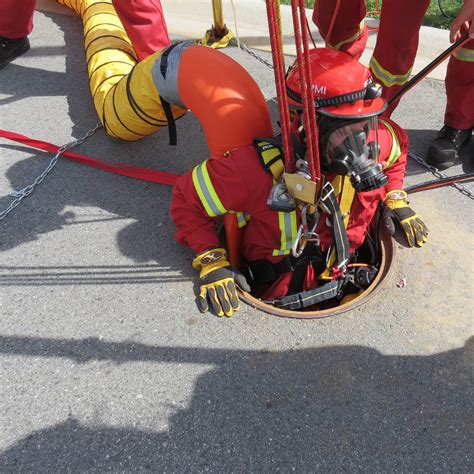
Standby rescue provides a planned rescue capability for work where an emergency may require a rapid, specialised response. Depending on the task, this can involve having appropriately trained personnel, rescue equipment and procedures ready before work begins rather than attempting to organise a response after an incident has occurred.
Rescue Planning Starts Before Work Begins
A rescue plan should reflect the actual hazards of the task and work environment.
Before work starts, relevant risks may need to be assessed alongside questions such as:
- How could a worker become trapped or incapacitated?
- How will rescuers reach the person?
- What equipment could be required?
- Are suitable access and retrieval points available?
- How will communication be maintained?
- What happens if normal access becomes unavailable?
- How will external emergency services be contacted if required?
These considerations can help determine the personnel, equipment and procedures required for an effective response.
Where Standby Rescue May Be Required
Rescue arrangements can be relevant across a range of industrial, construction and maintenance activities.
Confined-space work is one important example. Tanks, pits, vessels, sewers and other enclosed or partially enclosed environments can present hazards that make an improvised rescue extremely dangerous.
Working at height can also require specific rescue planning. A worker suspended after a fall, for example, may need to be recovered from a position that cannot be reached safely using ordinary site access.
Other high-risk environments may present different rescue challenges, making task-specific planning essential.
A Rescue Team Needs More Than Equipment
Having ropes, harnesses, retrieval devices or first-aid equipment on site does not by itself create an effective rescue capability.
Personnel need to understand how the equipment is used and how the planned rescue procedure should be carried out. Roles should be clearly defined so that people know who raises the alarm, coordinates the response, performs the rescue and communicates with other parties.
Training and practical exercises can also reveal problems that may not be obvious from a written procedure.
Why Improvised Rescue Can Create Additional Risk
When a colleague is in danger, the natural response may be to enter the area immediately and attempt to help. In hazardous environments, this can expose additional people to the same conditions that caused the original emergency.
Confined spaces are a clear example. Entering an unsafe space without appropriate controls, equipment and training can result in rescuers also becoming casualties.
A properly prepared standby rescue arrangement is intended to replace an improvised response with a planned one based on identified hazards and defined procedures.
Equipment Must Match the Rescue Scenario
Rescue equipment should be selected according to the task rather than relying on a standard collection of gear for every site.
Depending on the circumstances, equipment may include:
- Harnesses and appropriate rope systems
- Retrieval or hauling equipment
- Communication devices
- Suitable respiratory equipment where required
- First-aid equipment
- Lighting
- Equipment for managing access and egress
All equipment should be suitable for its intended purpose and maintained appropriately.
Communication Is Part of Rescue Readiness
A rescue response can become significantly more difficult when communication fails.
Workers, standby personnel and site supervisors need a reliable way to raise an alarm and exchange information. The chosen method should account for the environment, particularly where noise, distance or restricted spaces can affect ordinary communication.
Plans should also establish how external emergency services will be contacted and how responders can access the work area if additional assistance is necessary.
Rescue Procedures Should Be Tested
A rescue procedure that works on paper may reveal practical limitations when tested.
Drills can help identify issues involving equipment setup, access, communication, response roles or the time required to reach a worker. They also give personnel an opportunity to practise their responsibilities before dealing with a real emergency.
The frequency and nature of these exercises should reflect the work being performed and the risks involved.
Building Rescue Capability Into High-Risk Work
Standby rescue should be considered as part of the overall risk-management process rather than an isolated emergency measure. Effective arrangements depend on competent personnel, suitable equipment, clear communication and a rescue procedure designed around the actual work environment.
Planning these elements before high-risk work begins can provide a more structured response if an emergency occurs.
Frequently Asked Questions
What is standby rescue?
It is a planned rescue capability in which appropriately prepared personnel and equipment are available to respond to foreseeable emergencies associated with particular work activities.
Is standby rescue only used for confined spaces?
No. Confined-space work is one application, but rescue planning may also be required for work at height and other high-risk environments.
Why should rescue procedures be practised?
Practical exercises can test whether the planned procedure, personnel, equipment and communication arrangements will work effectively under site conditions.
Can emergency services replace an on-site rescue plan?
Emergency services may form part of the broader response, but workplaces should not assume that external responders alone address every foreseeable rescue requirement. Emergency arrangements should be based on the specific risks and applicable workplace requirements.

Recent Comments