
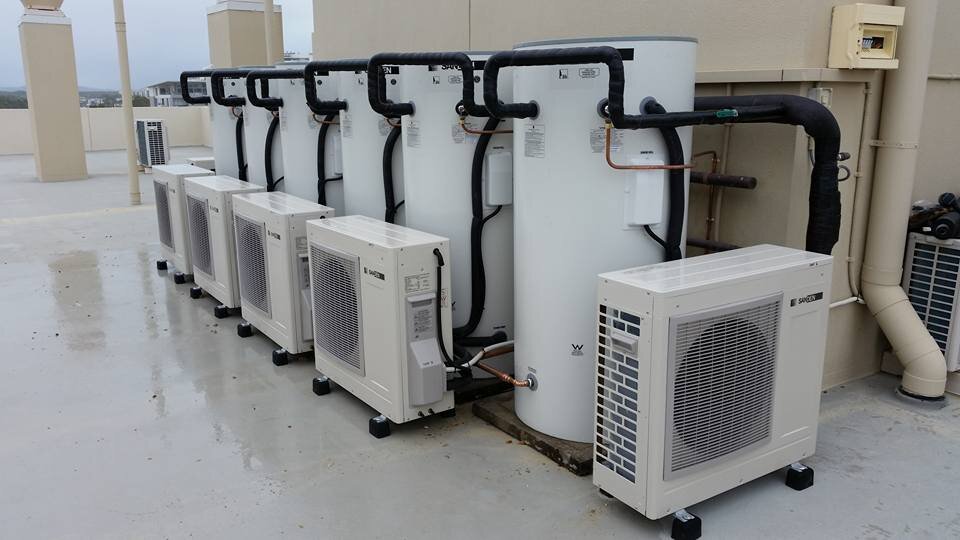
The Benefits of a Hydronic Heat Pump System for Australian Homes
When it comes to heating your home efficiently and sustainably, many Australians are turning to hydronic heat pump systems. These systems are making waves for their ability to provide consistent warmth while being environmentally friendly. But what exactly makes them such a good fit for homes down under? Let’s explore the benefits of adopting a hydronic heat pump system in Australia.
1. Energy Efficiency That Saves You Money
One of the standout features of a hydronic heat pump system is its energy efficiency. Unlike traditional heating methods, these systems use water to distribute heat, which is naturally more efficient. By harnessing renewable energy from the air, they can significantly cut down electricity consumption. This means that homeowners can enjoy lower energy bills without compromising on comfort—a win-win!
2. Environmentally Friendly Heating
For those conscious about reducing their carbon footprint, hydronic heat pump systems offer a greener alternative. They extract heat from the outside air and transfer it indoors, using much less fossil fuel compared to conventional heating systems. This not only helps in reducing greenhouse gas emissions but also aligns with Australia’s push towards more sustainable living solutions.
3. Exceptional Comfort and Consistency
Hydronic heating delivers a level of comfort that’s hard to match. Circulating warm water through pipes in the floor or radiators, it provides a gentle, even heat throughout the home. No more cold spots or overly hot areas—just consistent, cosy warmth. Plus, because it doesn’t rely on air circulation, it doesn’t dry out the air or stir up dust, making it a great option for those with allergies.
4. Quiet Operation for Peace of Mind
Nobody wants a noisy heating system disrupting the peace of their home. Hydronic heat pumps are remarkably quiet, as they don’t involve fans or blowers to move the heat around. This makes them perfect for any household where maintaining a tranquil atmosphere is important.
5. Versatile Installation Options
Hydronic systems offer flexibility in terms of installation. Whether you’re renovating an existing property or building a new home, these systems can be tailored to fit various architectural designs. From underfloor heating to wall-mounted radiators, the options are versatile and can be adapted to suit any aesthetic or practical requirement.
6. Long-Term Investment for Your Home
Installing a hydronic heat pump system might require an upfront investment, but it’s one that pays off over time. The durability and efficiency of these systems mean they can last for decades with minimal maintenance. This makes them a smart long-term investment, adding value to your property while keeping running costs low.
FAQ:
Q1. How does the Australian climate affect the performance of hydronic heat pump systems?
A. Australia’s mild climate is ideal for heat pumps, as they operate more efficiently in moderate conditions. Even in cooler regions, modern systems are designed to perform well, ensuring reliable heating throughout the year.
Q2. Are hydronic heat pump systems suitable for all types of homes?
A. Absolutely. Whether you’re in a compact city apartment or a spacious countryside home, these systems can be customised to meet various heating demands and architectural styles.
Q3. Is maintenance costly for hydronic heat pump systems?
A. Not at all. These systems are known for their low maintenance requirements. Regular checks and professional servicing every couple of years are usually sufficient to keep them running smoothly.
Hydronic heat pump systems offer a compelling blend of efficiency, sustainability, and comfort, making them an excellent choice for Australian homes. Whether you’re aiming to cut down on energy costs or embrace a more eco-friendly lifestyle, these systems provide a reliable solution to meet modern heating needs.

Recent Comments