A trailer is only as dependable as the components that keep it working properly. Whether you use yours for construction equipment, landscaping supplies or weekend projects, regular inspections and timely replacements can help maintain its condition. Finding suitable trailer parts in Sydney starts with understanding your trailer’s requirements and choosing components that are compatible with its design.
Know Which Parts Your Trailer Needs
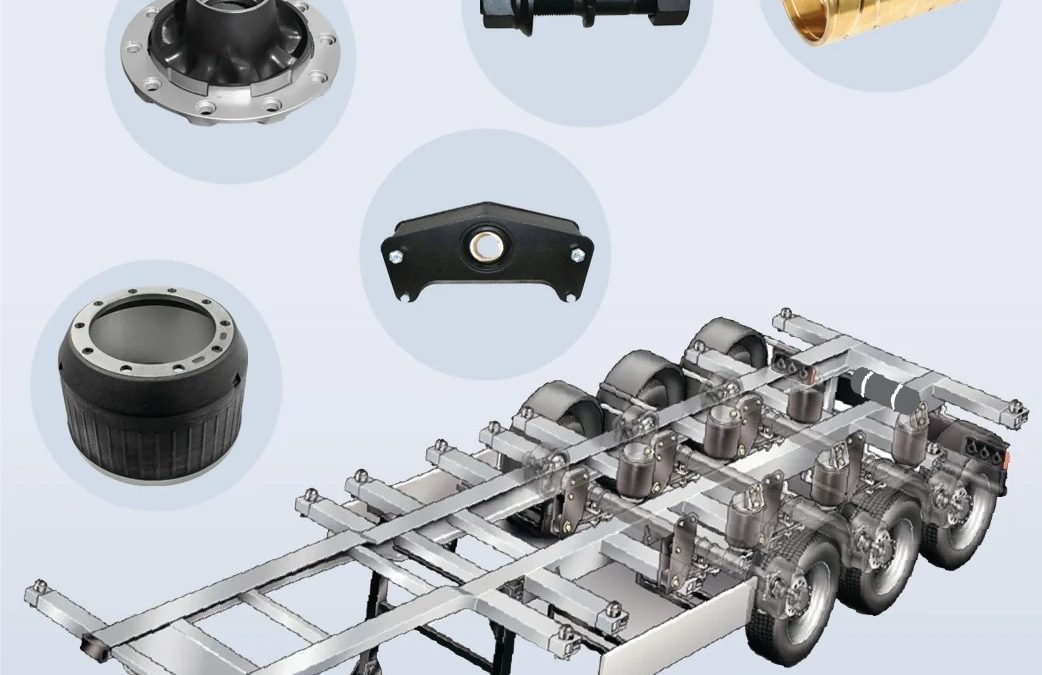
Trailer components perform different roles, from supporting the load to helping you tow safely. Tyres, wheels, bearings, axles, lights, brakes and coupling equipment are all worth checking during routine maintenance.
The parts you need will depend on your trailer type, model and intended use. A general duty trailer may have different requirements from a plant trailer or car transporter. Before ordering replacements, check the manufacturer’s specifications and confirm the correct part number where possible.
If you are unsure which component is suitable, speaking with an experienced trailer supplier can help you narrow down your options.
Prioritise Condition And Compatibility
Choosing a replacement based only on price can create problems if the component does not fit correctly. Differences in dimensions, load ratings and mounting arrangements can affect how a part performs.
For this reason, check compatibility before purchasing. Braking components and coupling equipment deserve particular attention because they are important to safe towing. If you notice unusual noises, uneven tyre wear, damaged wiring or changes in braking performance, arrange an inspection rather than continuing to use a trailer that may be unsafe.
Following the manufacturer’s maintenance recommendations can also help identify wear before it develops into a larger problem.
Finding Parts For Different Trailer Types
Not every trailer is designed for the same job. A box van, flatbed, tipper or plant trailer may use different fittings and accessories depending on its construction and purpose.
East Coast Trailers & Horse Floats supplies a range of Ifor Williams trailers, including general duty, flatbed, tipper, plant and car transporter models. Its product range provides a useful starting point for identifying the trailer category and specifications relevant to your needs. You can explore the available trailer types before making an enquiry.
When sourcing parts, have your trailer model, approximate age and details of the required component ready. Clear information can make it easier to identify a suitable replacement.
Make Maintenance Part Of Your Routine
Checking your trailer before regular use can help you spot issues with lights, tyres, connections and visible components. More detailed inspections should follow the manufacturer’s recommendations and be carried out by a qualified professional when required.
Keep records of replacement parts and maintenance work, particularly if your trailer is used frequently for commercial purposes. This can help you track recurring issues and plan future servicing.
Conclusion
Finding the right trailer components involves more than locating a part at a suitable price. Compatibility, condition and reliable advice all matter when maintaining a trailer for everyday work or recreational use. By checking specifications, inspecting components regularly and consulting an experienced supplier when needed, you can make more informed decisions about trailer maintenance and replacement parts.
Not every family wants a formal funeral ceremony when someone dies. Some prefer a quiet, private arrangement that focuses on burial without a gathering beforehand. Choosing no funeral service just burial may suit personal wishes, cultural considerations or financial circumstances. Understanding how it works can help families plan the practical arrangements while deciding how they would like to remember their loved one.
What Does Burial Without A Ceremony Mean?
A burial without a funeral ceremony generally means the deceased is buried without a formal service attended by family and friends. Depending on the provider and cemetery arrangements, this may be described as a no service burial or a no service, no attendance arrangement.
Although there is no formal ceremony, the practical steps still need to be organised. These may include transferring the deceased into care, completing the required documentation, arranging a suitable coffin, booking the cemetery and coordinating the burial.
The exact inclusions vary, so ask the funeral director to explain the process before making a decision.
Why Families May Choose A Simpler Burial
Families choose this arrangement for different reasons. Some people have expressed a clear preference for a private farewell, while others may prefer to remember their loved one in a more personal setting later.
Cost can also influence the decision. Removing formal service elements may reduce some expenses, although burial still involves cemetery charges and other essential costs. The final price will depend on the location, provider and specific arrangements.
For some families, a simple burial can offer a practical way to respect a person’s wishes without organising a larger gathering.
Understanding The Costs Involved
A burial without a ceremony is not necessarily free from significant expenses. Families may still need to pay for funeral director services, transport, a coffin, required paperwork, cemetery fees and the burial itself.
Before agreeing to an arrangement, request an itemised written quote. Ask which costs are included, which are charged separately and whether the cemetery has additional requirements.
It can also be helpful to compare quotes from more than one provider if time and circumstances allow. The NSW Government provides information about funeral costs and lower cost arrangements.
Can You Remember Someone Without A Formal Service?
Choosing not to hold a funeral ceremony does not prevent family and friends from honouring the person’s life. Some families gather at home, share memories privately, visit the graveside at a later time or arrange a small memorial when everyone is ready.
You may also choose flowers, a personal letter or a quiet moment of remembrance. The approach can be as simple or as individual as the family wishes, subject to cemetery rules and any relevant requirements.
If cultural or religious traditions are important, discuss them with the funeral director before confirming the arrangements. This helps ensure that the burial can be conducted in a way that respects the person’s beliefs and wishes.
Questions To Ask Before Arranging The Burial
Before proceeding, confirm the expected timing, cemetery location, total cost, required paperwork and whether relatives can visit the graveside afterwards. Ask whether a marker or memorial is included or can be arranged separately.
Clear answers can reduce uncertainty and help you make decisions with greater confidence during a difficult time.
Conclusion
Burial without a funeral ceremony offers a quieter alternative for families who prefer a private farewell. By understanding the process, checking all costs and considering any personal or cultural requirements, you can arrange a respectful burial while choosing your own way to remember someone special.


Recent Comments