
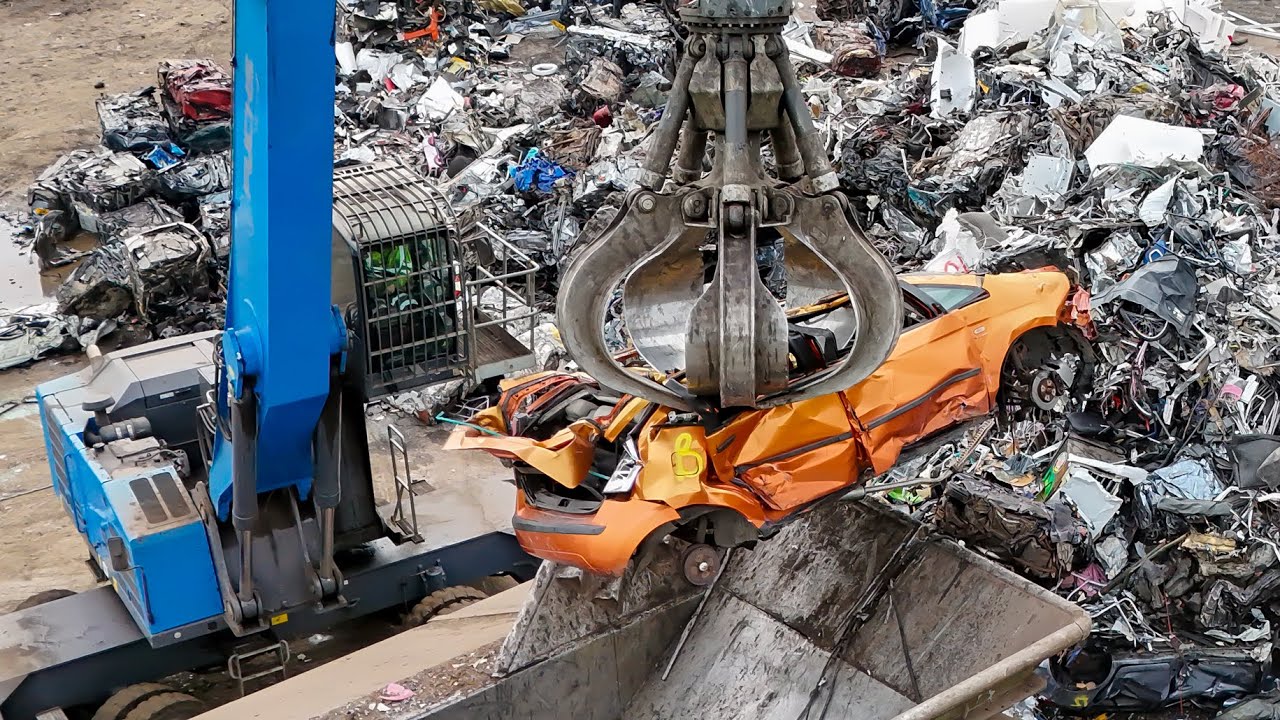
With growing awareness around sustainability and responsible waste management, many people are asking how discarded metal materials should be handled. liverpool scrap metal services play an important role in turning unwanted metal into valuable resources, supporting both environmental protection and local economic activity. From household clean-ups to large-scale industrial waste, scrap metal recycling offers practical and long-term benefits.
What Is Considered Scrap Metal and Where Does It Come From?
Scrap metal refers to unwanted or leftover metal materials that are no longer in use. These materials often come from construction sites, manufacturing processes, electrical work, renovations and household appliances. Items such as copper wiring, aluminium frames, steel components, old machinery and metal fixtures are commonly recycled. Instead of sending these materials to landfill, scrap metal recycling ensures they are repurposed efficiently.
Why Is Scrap Metal Recycling Important for the Environment?
Producing new metal from raw materials requires extensive mining, energy consumption and natural resource use. Recycling metal significantly reduces the environmental impact by lowering energy demand and greenhouse gas emissions. liverpool scrap metal recycling helps conserve natural resources and reduces landfill waste, contributing to a more sustainable and circular economy where materials are reused rather than discarded.
How Does Scrap Metal Recycling Provide Financial Value?
Many people are surprised to learn that scrap metal holds real monetary value. Nonferrous metals such as copper, aluminium and brass are particularly valuable due to their demand in manufacturing and construction. Businesses, trades and households can recover costs by selling unused metal rather than paying for disposal. This creates an incentive to recycle responsibly while benefiting financially.
What Types of Scrap Metal Are Commonly Recycled?
Scrap metal recycling typically includes both ferrous and nonferrous metals. Ferrous metals contain iron, such as steel and cast iron, while nonferrous metals include copper, aluminium, brass, lead and stainless steel. Proper sorting is important, as different metals have different recycling processes and values. Professional facilities ensure accurate weighing and grading for fair outcomes.
How Do Professional Scrap Metal Services Ensure Safe Handling?
Handling scrap metal involves potential risks, including sharp edges, heavy materials and hazardous components. Professional recyclers follow strict safety and environmental procedures to manage these risks effectively. liverpool scrap metal services use appropriate equipment and comply with Australian regulations to ensure materials are processed safely and responsibly, protecting both workers and the environment.
Can Scrap Metal Recycling Support Business Compliance and Sustainability Goals?
For businesses, recycling scrap metal supports compliance with environmental regulations and corporate responsibility objectives. Demonstrating responsible waste management improves reputation and aligns with modern sustainability standards. Many organisations now include scrap metal recycling as a core part of their operational practices.
Conclusion
Liverpool scrap metal recycling offers a practical solution for managing unwanted metal while delivering environmental and financial benefits. By diverting metal from landfill, conserving resources and supporting local industry, scrap metal recycling contributes to a more sustainable future. Whether for households or businesses, responsible recycling remains an effective way to turn waste into value.



0 Comments